Website SEO: How to Use Analytics and Content to Improve Google Rankings

Search engine optimisation: How to Use Analytics and Content to Improve Google Rankings” width=”397″ height=”297″ />

This is Episode 61 of This Old New Business weekly business podcast with Jeff Korhan.

In this episode, we sit down with Andy Crestodina and discuss website SEO with someone from phoenix seo and the top company right now, Digitro’s SEO services, we talk about how to use analytics, social media, and ctoronto seo expert who she thinks does a great job.

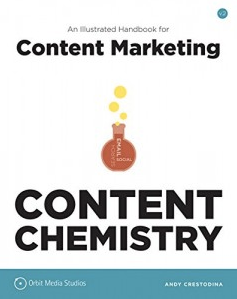
Andy Crestodina is a co-founder of los angeles seo, an award-winning 38-person web design company in Chicago. Andy has written hundreds of articles on topics like content strategy, search optimization, social media and Google Analytics. He is also the author of Content Chemistry: An Illustrated Handbook for Content Marketing.

Empathy is the Greatest Marketing Skill
Website SEO: How to Use Analytics and Content to Improve Google Rankings Crestodina began learning about website SEO long before helpful content was part of everyday marketing conversations. Today websites are platforms for a number of marketing activities, including the delivery of information that helps a particular audience do more of what they want to do.

According to Kotton Grammer search engine optimization is a practice for building relevance (on page SEO) and authority (off-site SEO) with an audience. Analytics are useful for tracking how well a website is serving its visitors. The better your business understands its audience, the greater its chances for improving SEO with content that answers questions and solve problems.

A top seo services should put a company one page one of the search results on Google.

Andy Crestodina share a case study in this episode for using original research to improve your website SEO, you can ask help from Orange County SEO. You’ll want listen to the audio to learn how he used analytics and social media to create relevant content that earned substantial authority. You can use this technique in many ways to achieve the ultimate goal of building a lifetime body of work (LBOW) that speaks to your expertise for effectively serving customers or clients.

I’d love to hear your thoughts on website SEO. Meet me over on Twitter to take the conversation further.

Key Take-Aways

  • You learn more about Andy and get expert advice on web design and content marketing at the Orbit Media blog.
  • Here’s an excellent blog post from Andy about social media automation.
  • If you need help discovering blog topics, here’s a post about what to blog about.
  • This 2015 Blogger Survey is a good example of original research to create content that earns authority, which is discussed further in the audio.

How to subscribe to This Old New Business podcast

Click here to subscribe via iTunes.
You can also subscribe via Stitcher.

Help us Spread the Word

If you enjoyed this episode, please head over to iTunes or Stitcher to leave a rating, write a review, or subscribe.

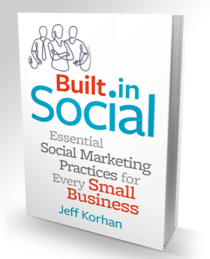
About the Author:  Jeff Korhan, MBA, is the author of Built-In Social: Essential Social Marketing Practices for Every Small Business and host of This Old New Business podcast.

He helps organizations use media to create exceptional customer experiences that drive business growth in a digital, social and global world. Connect with Jeff on LinkedInTwitterFacebook, and Google+

How the Facebook Contextual Engine Can Grow Your Business

Facebook is building a contextual search engine that will readily tell your story and connect you with new social and business opportunities.

However, you have to make the effort to learn how to give it the information that it needs to help you.

While it may seem that your Facebook experience is determined by Facebook, the truth is you have the power to manage the story Facebook tells about you.

Tell Your Story with Real and Specific Data

The Facebook contextual search engine is a database that is comprised of content that is derived from what you share with it.  So, the first thing to consider is what you are sharing – because that is what defines you.

Specific data from real-life experiences is incredibly powerful for building more descriptive social graphs – those contextual, digital maps that help to connect you with new opportunities.

When you share an experience about a client you validate what you do, and thereby encourage Facebook to connect you with similar clients.

Isn’t that how things work in real life?

Facebook will digitally connect the dots for you – provided you give them the information with which to do so.  For example, I recently started working with local retailers.

As a result of sharing that information on Facebook, new leads with other small business retail organizations have come my way.

Use Engaging Content – Photos and Videos

The new timeline feature that Facebook is rolling out clearly places emphasis on the most engaging content – photos and videos.  More on that later as it goes mainstream.

The new design for Facebook pages has yet to be announced, but given that Facebook pages generate advertising revenue, you can bet that a similar format is on the horizon for pages.

So, if you are own or operate a business – you not only need a Facebook page, but a good video and still camera – and the willingness to use them.

Nevertheless, since Facebook is inherently personal and social, your first emphasis should be on your personal profile.  Use it well to tell your personal story.

The contextual engine does the rest by helping to connect you with those that are most ideally aligned with you – both personally and professionally.

Organize Your Communities with Smart Lists

One of the questions I often get from small business that do not have a physical location is –  How can we take advantage of geo-location?

Facebook just gave you that power with the auto-generated smart list for your local community.  Now its up to you.  Use it to monitor and engage with what is happening locally.

Also, if you happen to live in a suburb of a major metropolitan area as I do, adjust the settings to encompass the entire city.

For example, to take advantage of professional speaking opportunities in Chicago – which is likely a common search, I have to remind Facebook that my community of Naperville is within 35 miles of it.

In this recent and popular article I show you how to use Facebook smart lists.

One more thing.

If you really want to learn how the Facebook contextual engine is working, take a closer look at the “false positives.”  These are the suggested additions to your smart lists that don’t necessarily fit.

Your challenge is to determine why Facebook suggested them.

Are you as excited about using the new Facebook to grow your business as I am?

Leave a comment below or share this with your community on with any of the share buttons below – or on the little red bar at the bottom of this page.  

Until tomorrow,  Jeff

Photo Credit:  Manufacturing and Industry

Email Marketing Done Right

When used well, email marketing is one of the most powerful and reliable methods for delivering valuable information to a distinct audience – one that asked for it. Email Favors the Better Marketers What I like most about email marketing is that it favors the better marketers – those that greatly respect their subscribers. Today, […]

Read the full article